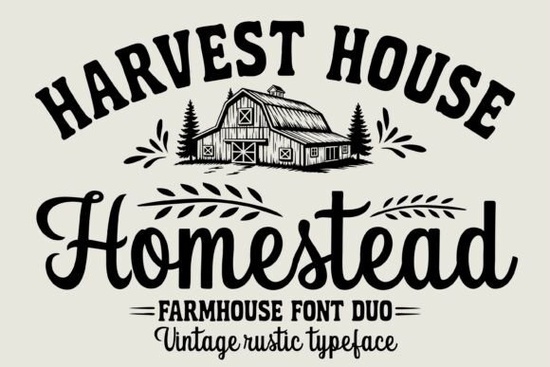
If you're looking for a font that feels like stepping into a sunlit barn with mason jars on the shelf and handwritten notes pinned to a weathered door, Homestead Font fits just right. It’s not overly ornate or fussy it’s warm, grounded, and quietly confident. Designed as a duo (a sturdy serif and a soft script), it works especially well for crafters who make pantry labels, small-batch product packaging, rustic wedding invites, or farmhouse-style wall art. Whether you’re cutting vinyl on a Cricut, layering text in Canva, or prepping files for print-on-demand mugs and tote bags, this pair holds up beautifully across materials and sizes.
What makes Homestead Font different from other farmhouse fonts?
Many rustic fonts lean too heavily into distressed textures or exaggerated serifs which can look great on a poster but fall apart at small sizes or on curved surfaces like mugs or jars. Homestead Font avoids that trap. Its serif has clean, balanced letterforms with subtle antique influence think early 20th-century seed catalogs or hand-painted market signs. The script isn’t overly looped or delicate; it flows naturally, with gentle contrast and open spacing that stays legible even when resized down to 12pt. Both fonts include full Latin character sets, standard ligatures, and multilingual support (including accented characters), so they work reliably for real-world projects not just mood boards.
How do people actually use it?
Here’s what crafters and small business owners tell us they’ve made with it:
- Pantry and kitchen labels printed on kraft sticker paper or cut from matte vinyl for glass jars and wooden spice boxes
- Small-batch product branding used for soap labels, candle tags, honey jar stamps, and herbal tea packaging
- Wall art and framed prints layered with botanical clipart or minimalist line drawings for cozy home décor
- Cricut and Silhouette projects especially popular for layered vinyl signs and engraved wood slices
- DIY invitations and place cards paired with neutral tones and linen-textured paper for rustic weddings or harvest dinners
Because both fonts are optimized for cutting machines (with smooth curves and no thin hairlines that snap during weeding), they’re less likely to cause headaches during production something anyone who’s wrestled with finicky script fonts will appreciate.
Can I mix Homestead Font with other script fonts?
Yes and many designers do. Its script has a relaxed rhythm that pairs well with bolder, more structured companions. For example, some combine it with Milkshake Font for playful contrast in bakery branding, or layer it under Like Magic Font for whimsical event signage. If you’re building a brand system, try using Homestead Font’s serif for headlines and its script for subheads or quotes then bring in Better Together Font for handwritten accents or callouts. Just avoid stacking too many high-contrast scripts; one strong voice usually carries more weight than three competing ones.
Is it beginner-friendly?
Absolutely. You don’t need advanced design skills to get good results. The fonts install like any other OTF/TTF file, and both work natively in Silhouette Studio, Cricut Design Space, Adobe Creative Cloud, and free tools like Inkscape or Google Docs (via upload). There’s no learning curve around alternate glyphs or complex OpenType features though if you do want to tweak things, basic kerning adjustments and size pairing (e.g., serif at 36pt + script at 28pt) go a long way.
One practical tip: When using the script for cutting, always convert to outlines before sending to your machine especially if you’re using older versions of software. And if you’re printing on textured paper, test a small batch first: the serif’s slight ink spread looks lovely on uncoated stock, but may blur slightly on ultra-thin newsprint.
For reference, you can also explore similar styles directly on Creative Fabrica: Homestead Font, Strawberry Cheesecake Font.
Before you download a quick checklist
- ✅ Confirm your project needs both headline presence (serif) and personal warmth (script)
- ✅ Check whether your cutting machine or printer handles OTF files smoothly (most do)
- ✅ Consider how it’ll pair with your current color palette earthy tones, cream, sage, and terracotta tend to complement it best
- ✅ Try it in a low-stakes project first (like a printable quote or digital greeting card) before committing to physical production
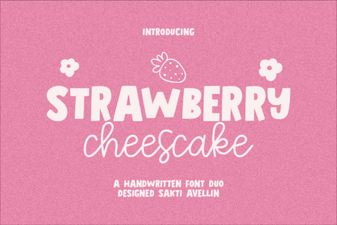 Crafting with the Strawberry Chesscake Font
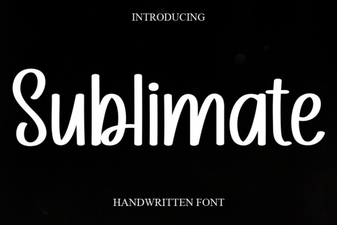 Sublimate Font: Stylish Headlines & Creative Design Tips
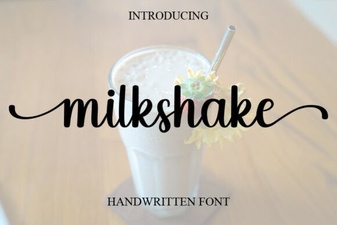 Milkshake Font: Design with Sweet Typography
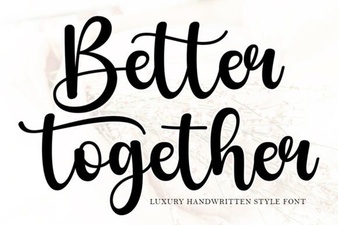 The Better Together Font for Creative Project Collaboration
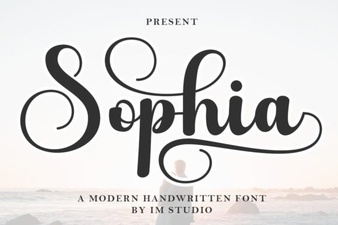 Sophia Font: Elegant Typography for Creative Projects
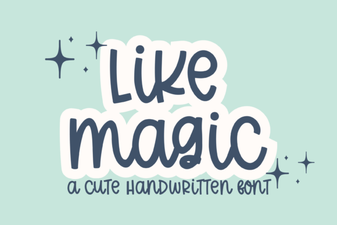 Like Magic Font: Creative Designs & Project Ideas