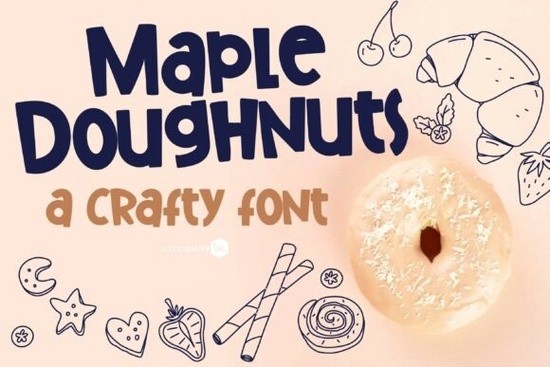
If you're looking for a friendly, hand-crafted sans-serif that feels like stepping into a cozy neighborhood bakery especially one with maple-glazed doughnuts cooling on a wire rack you’ll love the Maple Doughnuts Family Font. It’s not overly polished or digital-perfect. Instead, it leans into warmth and tactility: thick strokes, slightly uneven cuts, and a gentle irregularity that suggests real hands at work not just vectors on a screen. That makes it especially useful for small businesses and makers who want their branding to feel personal, grounded, and seasonally resonant.
When does Maple Doughnuts work best?
This font shines where authenticity matters more than uniformity. Think of a local coffee roaster launching a limited-edition fall blend, or a handmade soap maker labeling amber-hued “spiced maple & oat” bars. Its sturdy structure holds up well on fabric (like custom aprons or tote bags), packaging labels, and even chalkboard-style social media graphics. Because it’s designed as a family, it includes matching weights and stylistic alternates so you can pair a bold headline with a softer subhead without losing visual harmony.
It’s also a natural fit for seasonal print-on-demand collections. A set of autumn-themed greeting cards, enamel pins with “Warm Welcome” stamped in chunky letters, or even a printable wall art bundle centered around cozy kitchen phrases all benefit from that inviting, artisanal tone.
How is it different from other decorative sans-serifs?
Unlike many playful fonts that rely on bounce, swashes, or cartoonish exaggeration, Maple Doughnuts keeps its charm subtle and structural. The letterforms are generous but not exaggerated think wide counters, soft corners, and consistent weight distribution. That means it scales well: legible at 12 pt on a recipe card, impactful at 120 pt on a cafe window decal.
You’ll notice thoughtful details like how the lowercase “a” and “g” have open, friendly shapes, or how the uppercase “M” and “W” anchor the line with quiet confidence. These aren’t gimmicks; they’re design choices made to support readability and personality, side by side.
What else pairs well with it?
Because Maple Doughnuts has such a distinct voice, pairing it with quieter companions often works best. For example, Bourgueil offers clean, warm neutrality great for body text or ingredient lists where clarity matters. If you're building a full brand system, Onelia adds elegant contrast with its refined serif rhythm, while still feeling approachable.
For more playful, food-focused projects, you might explore Banana Cupcake it shares some of the same cheerful energy but leans sweeter and lighter. And if your project leans into Parisian café culture rather than rustic North American bakeries, Paris Treat brings a delicate, hand-drawn elegance that complements without competing.
Where do people actually use it?
We’ve seen designers apply Maple Doughnuts across real-world contexts:
- A Portland-based sourdough bakery using it for seasonal menu boards and reusable cloth napkin tags
- An Etsy seller printing “Cinnamon + Cozy” mugs and tea towels
- A teacher creating printable classroom posters for a “Fall Harvest” unit with illustrated pumpkins and handwritten notes alongside the font
- A small-batch candle maker labeling soy wax blends like “Maple Smoke & Cedar” on kraft paper sleeves
One thing these examples share? They all avoid over-designing. The font does the emotional work so the layout stays simple, the color palette stays grounded (think cream, burnt sienna, deep forest green), and the message stays clear.
If you’d like to see how it compares to similar hand-cut sans-serifs in action, you can explore the Maple Doughnuts family directly on Creative Fabrica including previews, licensing options, and user-uploaded mockups.
A quick checklist before you download
- Check your license needs: Make sure the plan covers your intended use especially if you’re selling physical products (like printed apparel) or digital templates.
- Test it in context: Paste a few key phrases (“Open Daily”, “Hand-Mixed”, “Freshly Baked”) into your layout software at actual size on both light and dark backgrounds.
- Look at spacing: This font benefits from slightly looser tracking in headlines (try +20–40 units) to let each letter breathe.
- Pair thoughtfully: Avoid stacking two highly textured fonts. Let Maple Doughnuts lead and choose a neutral secondary font for supporting text.
It’s not about finding the “most unique” font it’s about choosing one that quietly supports your story. With Maple Doughnuts, that story is warm, unhurried, and made with care.
Learn More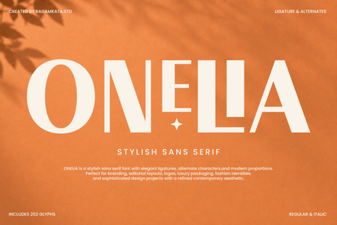 Discover the Onelia Font for Modern Design Projects
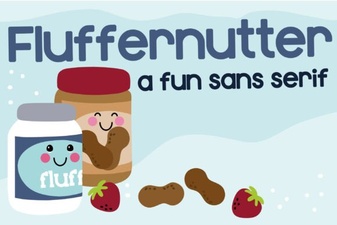 Fluffernutter Font: Download & Design Tips
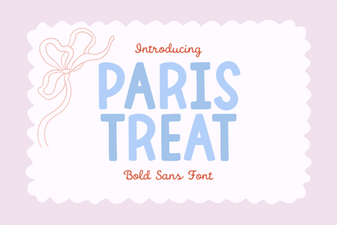 Paris Treat Font for Creative Projects & Design
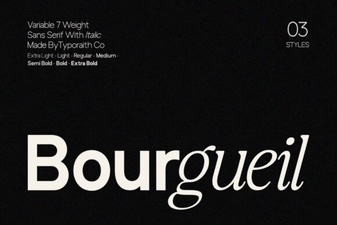 Bourgueil Font: a Modern Revival of Classic Charm
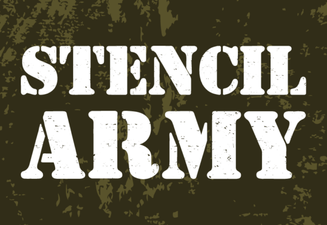 Stencil Army Fonts for Design & Diy Projects
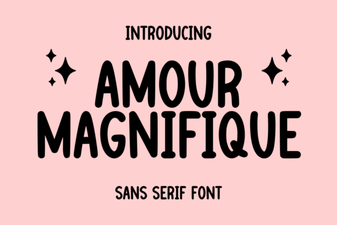 Amour Magnifique Font: a Guide for Elegant Designs